


Growing plants without soil involves the use of specialized equipment materials such as nutrients, and highly technical equipment to grow healthy plants. The ideal temperature for hydroponics depends greatly on what kind of plants you’re growing as well as the type of hydroponic system that you’re using, so keep this in mind when setting up your own greenhouse or indoor garden.
How Does Water Temperature Affect Plant Growth?
When you’re thinking about how to get the best results from your hydroponic control system, it’s important to understand that water temperature can have a huge effect on plant growth. This is because temperature affects all of the following processes:
- Photosynthesis
- Respiration
- Transpiration
- Root growth
- Flowering and germination
- Promotion or decrease of pathogens
See How Growee Can Save You Time By Automating Your Plants Feeding
Water pH – Automated pH Up and Down Control
Nutrients Mixing – Automated Nutrient Dosing with Target EC / PPM Control.
Control From Anywhere – WiFi Connection and mobile App
Water Temperature Affects the Oxygen Content in Water
When you’re growing plants using a hydroponic system, it’s important to know how water temperature affects the dissolved oxygen content in your water. Dissolved oxygen is required for plant growth and is also important for fish to breathe and algae to grow. It even affects bacteria growth (which is why if you don’t change your tank’s water frequently enough, bacteria can start growing inside it).
How Cold is Too Cold for Hydroponics?
Water temperature can affect everything from plant health to growth and yield.
Let’s take a look at what happens when the water in your hydroponic system gets too cold: Cold water can kill plants. If your hydroponics system has a temperature below 68 degrees Fahrenheit (20 degrees Celsius), this could be dangerous for your plants because they may not survive unless they’re moved to warmer conditions quickly.
How Hot is Too Hot for Hydroponics?
Water temperatures above 25 C can cause root rot in plants . If your reservoir is too hot, consider adding a water chiller ,or if too expensive try a cooling system such as a fan or ice pack at least to keep it cool.
Water Temperature Sweet Spot and Range
There are several key factors to consider when choosing the best water temperature for your hydroponic system, and there’s no one-size-fits-all solution!
- Temperature range for hydroponics: 18°C–25°C (65°F–77°F)
- Temperature range for aeroponics: 20–27 C (68–81 F)
- Temperature range for aquaponics: 20–28 °C (68–82 °F)
- Temperature range for drip irrigation: 23–26 °C (73.4 ± 2.1 °F)
- Temperature range for ebb and flow irrigation: 22 ± 0.5 C (71.6 ± 1.1 F)
Generally, The ideal range of water temperature in hydroponics is 18 – 25 degree Celsius or 65 – 77 degree Fahrenheit. To measure the water temperature, you can use a thermometer. This will help you to determine whether or not your system is at the right temperature range.
What is Better for Hydroponics? Cold Water or Warm Water?
The ideal water temperature will depend on the specific nutrient solution you’re using. For most nutrient solutions, cold water is best because it helps to maintain plant vigor and growth. Heating up your reservoir is just one more thing you need to do in order for your plants to grow well.
Cold water creates an environment where oxygen can remain dissolved in your reservoir longer than warm water does. To keep nutrients in suspension and prevent them from settling out of solution onto the bottom of your reservoir or growing medium, it’s important that there’s plenty of dissolved oxygen present in your reservoir at all times.
What Water Temperature Should My Nutrient Solution Be?
The ideal temperature for your nutrient solution is between 18 and 25 degrees Celsius, but this can vary depending on your growing environment. The air temperature in the room should be around 20 degrees Celsius.
How To Maintain Hydroponic Solution Temperature
To maintain a temperature of around 70 degrees Fahrenheit, you can use a heater to raise the temperature. If your solution’s too hot, you can use a chiller to lower it. There are also several other ways you can use pumps and heat exchangers to maintain ideal hydroponic solution temperatures.
Aeration to Ease Heated Conditions
Aeration is another way to increase dissolved oxygen in the water and is undoubtedly needed in hydroponic systems.
Aeration is done by using an air pump and placing it in the water at the bottom of your tank, so that it makes bubbles. The air pump should be turned on for about 15 minutes every hour.
- Aeration increases dissolved oxygen: Increased dissolved oxygen helps plants grow faster, more effectively absorb nutrients and reduces root disease.
- Aeration lowers water temperature: Heat from lights can cause your hydroponic reservoir to heat up and limit how many days you can grow a plant before it suffers from too much heat stress.
How Can Growee Help Monitor Water Temperature?
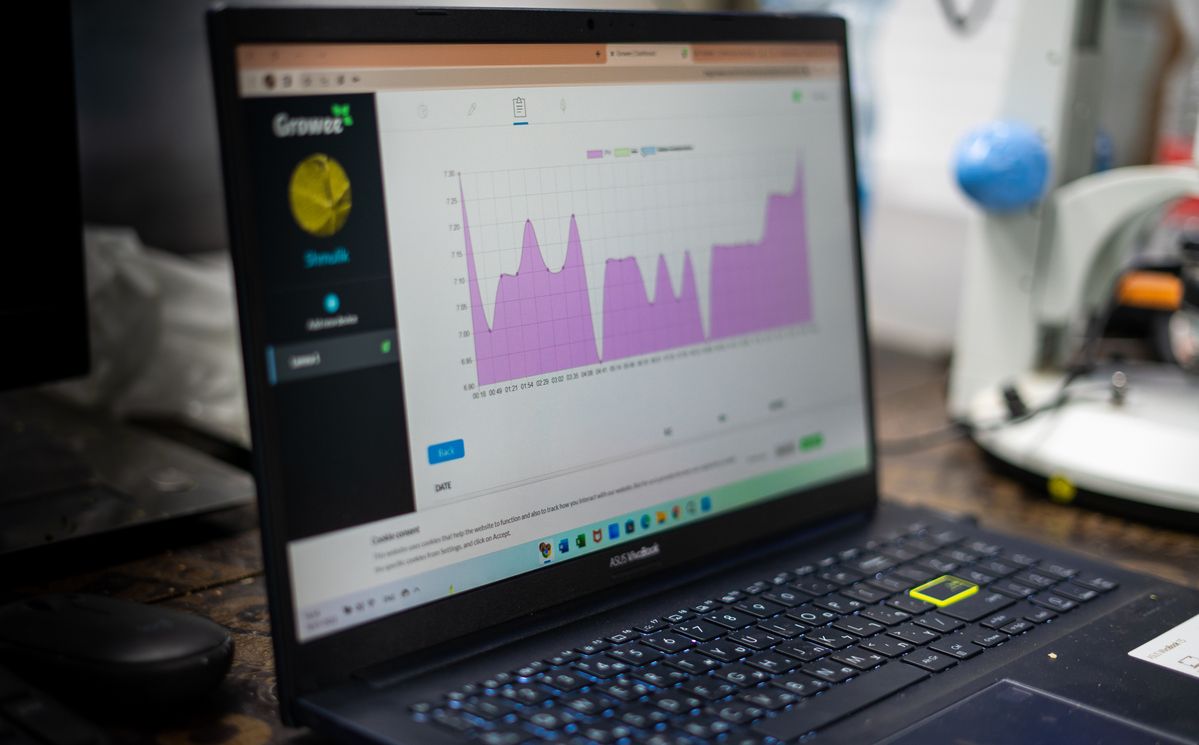
Growee has a special sensor that measures the temperature of the water in real time, helps you keep track of your hydroponic’s water temperature from anywhere, anytime and be alerted to any changes that can be harmful to your plants.
Hopefully, this article has given you a better understanding of how temperature affects hydroponic systems. Click here and see how Growee can add a turbo boost your Hydroponic setup.
FAQ
Does the nutrient solution need to be heated?
Whether or not your nutrient solution needs to be heated will depend on the particular plants you are growing and their ideal temperature. If your plants require a warmer environment than the room you are keeping them in, then yes, you will need to heat their nutrient solution. However, if they do not need a warmer environment than their surrounding environment, then no heating of the nutrient solution may be necessary.
There are some drawbacks to heating nutrient solutions: firstly, it can cause nutrients to be lost through evaporation; secondly, heating can kill off bacteria in your solution; thirdly, too much heat can also kill off bacteria in your solution (so make sure that your heater is set at the correct temperature). A good rule of thumb is that if you’re unsure whether or not your plants require an artificially heated environment for cultivation purposes – err on the side of caution!
Does Hydroponic Water Temp Affect Growth?
Temperature affects the rate of photosynthesis, respiration, transpiration and germination. It also affects the rate of ripening as well as growth.
What water temperature is damaging to plants?
When we talk about water temperature in hydroponics, the air and water temperatures are related as ambient temperatures will highly influence water temperatures. The main issue for the ideal water temperature for hydroponics is how well it can hold oxygen.
That’s why it’s important to choose a thermometer that will show you both air and water temperatures on one device. With two separate readings, you can make sure that your plants are getting enough oxygen from both sources (via photosynthesis).
How do you control the water temperature of hydroponics?
- Heaters and coolers
- Chiller and heat exchanger
- Water bath tanks or tanks with water circulation
- Water tank
Is water temperature important in hydroponics?
The ideal range of water temperature in hydroponics is 18 – 25 degrees Celsius or 65 – 77 degrees Fahrenheit.
What temperature should my nutrient solution be?
The ideal temperature range for your nutrient solution is 18-25 degrees Celsius. Staying within this range ensures that you’ll have a healthy crop, but keep in mind that it’s not always possible to maintain such a precise temperature.
You can keep your nutrient solution at a constant temperature by using a thermostat or putting the tank on top of something that keeps it off the ground (e.g., another tank). If possible, try to place your hydroponics system where there is good air circulation so that heat doesn’t build up inside the grow room and cause problems with mold growth or other health issues among your plants.